Why a music bingo fundraiser works for schools
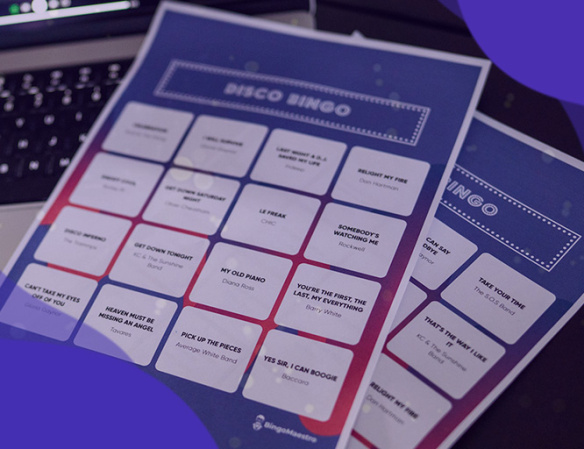
School communities bring together people with different ages, interests and confidence levels. A quiz can leave some guests quiet if they do not know the answers. Music bingo gives everyone something familiar to listen for. Players mark songs on their cards as the host plays them, then call bingo when they complete the winning pattern.
That makes the evening social from the first round. Parents compare memories, children recognise songs from films or current playlists, and teachers get to join the room as guests rather than organisers for a moment. The game also gives your fundraiser a natural rhythm: welcome, play, pause for refreshments, play again, then finish with a final round.
BingoMaestro already has a broad music bingo fundraiser guide. This version focuses on the school setting, where the event needs to work for families, volunteers and a cause that people can understand quickly.
Start with a simple school fundraiser plan
You do not need a large committee to get a school music bingo night moving. Start by agreeing on the purpose, the date and the person who will keep the plan together. Then divide the work into jobs that one volunteer can own from start to finish.
Event lead
Books the hall, keeps the timeline moving and makes decisions when questions come up.Tickets and promotion
Shares the event details through the school newsletter, parent groups, email and social media.Music bingo host
Explains the rules, introduces each round and keeps the pace comfortable for new players.Refreshments team
Arranges drinks, snacks, serving tables and a simple way to collect payments.Prizes and sponsors
Contacts local businesses, records donations and labels each prize before the event.Setup and check-in
Places tables, hands out cards, welcomes families and checks the sound before guests arrive.
Keep the first event manageable. A clear plan with a few reliable volunteers is more useful than a long list of ideas nobody owns.
Choose the right format for your school community
The best format depends on who you want in the room. An evening for parents and staff can use popular songs from several decades. A family afternoon can include children and grandparents more deliberately, with recognisable film songs, current family favourites and well-known classics.
Make the format clear when you promote it. Tell families whether tickets are for individuals, tables or family groups. Decide whether the ticket includes one bingo card, refreshments or both. If guests can buy extra cards, explain that before the event so the check-in team is not answering the same question at every table.
Use the music bingo rules and playing guide to explain the game in your promotion. The important point is simple: people listen to song clips, find the matching titles on their cards and play together. No one has to stand up, perform or answer questions alone.
Pick music that keeps several generations involved
Music is the reason this fundraiser feels different from a standard school event, so choose it with the room in mind. Avoid building the whole night around one narrow decade unless the audience has asked for it. A mixed playlist gives more people a moment when they know the song and gives tables something to discuss between rounds.
Use themes that are easy to explain on a poster. You could run a round of familiar classics, a round built around film and television songs, and a round with popular tracks from different decades. If the event is mainly for adults, a decade theme can work well. If children are attending, add a family round rather than expecting one playlist to suit everyone.
Test the sound before the doors open. Put the speaker where the whole room can hear it without standing directly beside the loudest table. Keep a spare cable and a backup device nearby. Your music bingo hosting guide can help you work through the practical setup before the night.
Build fundraising around the game
Tickets are the main contribution, but they do not have to carry the whole fundraiser. Add a few simple options that feel like part of the evening rather than interruptions to it.
Entry tickets
Include the event admission and a bingo card. Be clear about what each ticket covers.Extra cards
Let players buy another card if they want a more active round. Keep the process quick and easy to explain.Refreshments
Sell soft drinks, tea, coffee, snacks or donated baked goods during the breaks.Prize donations
Ask local shops and family businesses for products, vouchers or experiences that fit the school community.Raffle tickets
Run a raffle between rounds, using donated prizes so the raffle supports the cause without adding unnecessary costs.Sponsored rounds
Give a local business recognition for supporting a particular round, a prize or the refreshments table.
Keep a written record of money received and costs paid. A fundraiser is easier to explain to families when the committee can show what the event was raising money for and how the money was handled.
Invite local businesses to support the school night
A local business does not need to fund the whole event to make a useful contribution. Ask for one specific thing: a prize, snacks, printing, a voucher or a contribution toward the hall. In return, offer a clear form of recognition that your school is comfortable using.
Your message can be short:
What the event supports
Explain the school project, team, trip or equipment the fundraiser will help pay for.
What you are asking for
Name the item or contribution rather than sending a general request for support.
How you will thank them
Offer a mention during the event, a place on the printed programme or a thank-you post through the school’s usual channels.
Keep sponsor recognition separate from the game instructions. Families should know who helped, but the event should still feel like a school community night rather than a sales presentation.
Run the evening with a clear timetable
A simple timetable makes the event easier for volunteers and more comfortable for families. The exact timing depends on your venue and audience, but the order below gives everyone a job and gives guests a sense of what happens next.
Welcome and check-in
Hand out cards, point out refreshments and explain where guests can ask questions.Practice round
Play one short example so everyone understands how to mark a song.First bingo round
Start with accessible songs and pause when players need time to check their cards.Break
Sell refreshments, draw a raffle prize or thank a sponsor.Second and third rounds
Change the theme or decade so another part of the room gets its moment.Final round and thank-you
Announce the final winner, thank the volunteers and explain what happens next with the fundraiser.
Use the music bingo event guide for additional hosting ideas. The host does not need to talk constantly. Clear instructions, a steady pace and a little room for people to sing along are enough.
Make the next school fundraiser easier
Write down what worked while the details are still fresh. Note which music themes filled the room, which jobs needed more help, what guests asked at check-in and which fundraising options were popular. That short review becomes the starting point for the next event.
If the first night goes well, a music bingo fundraiser can become a regular school community event. You can change the music theme, invite a different local partner or connect each edition to a new school goal. The basic format stays familiar, which means volunteers do not start from zero every time.
For schools considering a larger event, the company and large-group music bingo page shows how a ready-made game or a custom version can fit a bigger organised gathering.